Load
When demand occurs, how consistent it is, and where solar generation can be used directly.

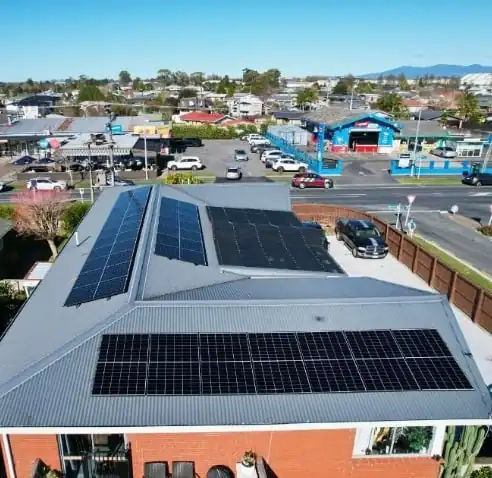
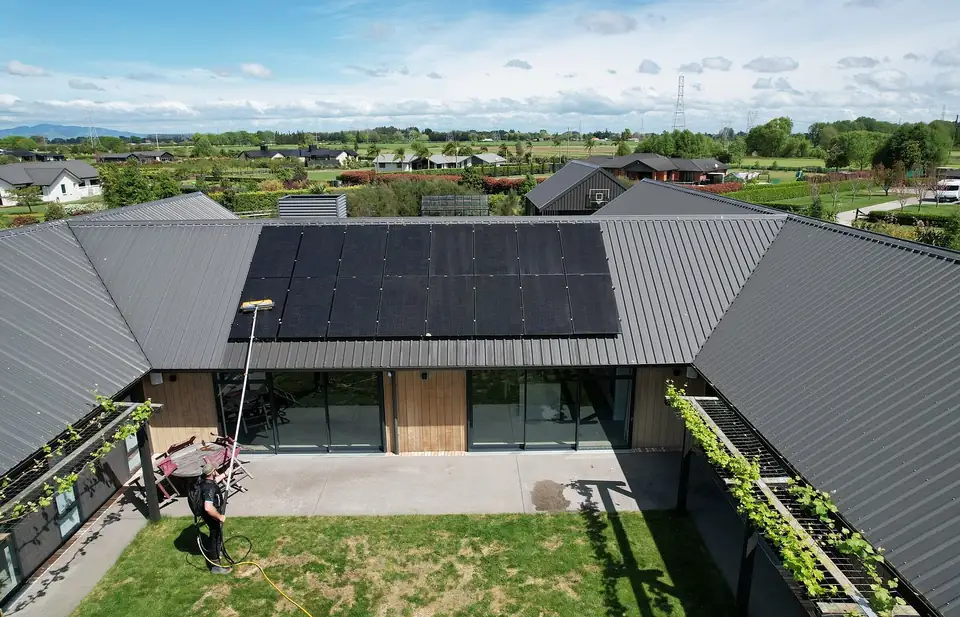
A commercial solar system should do more than cover a roof. It should match real demand, strengthen cost control and support where the business is going.
Discuss a business systemThe strongest commercial case starts with when your business uses power — not how many panels can fit.
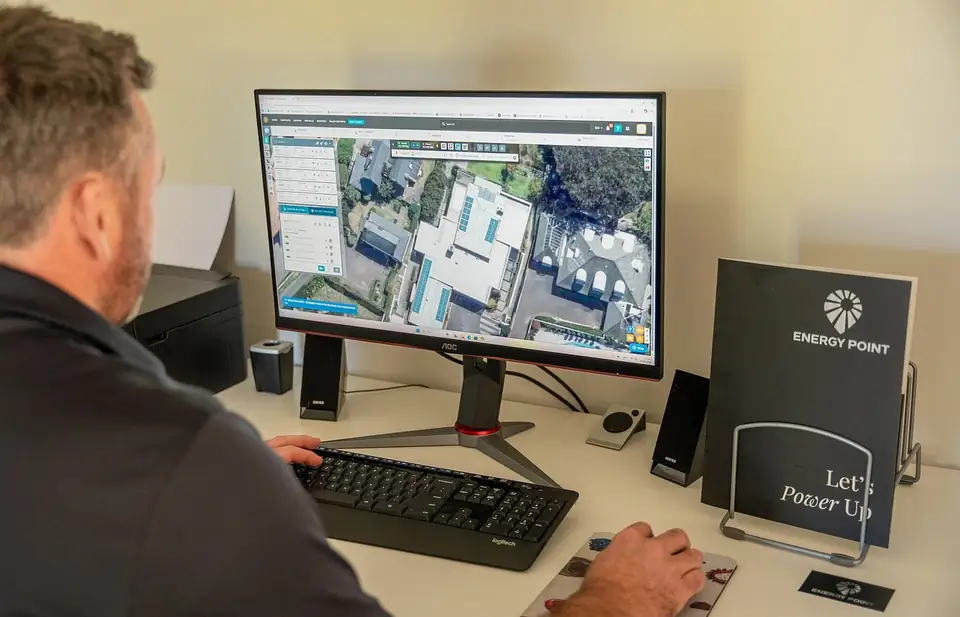
We bring interval data, site conditions, roof capacity, operating hours and future demand into one practical design. That gives decision-makers a clearer view of the technical system and the assumptions behind it.
Three realities shape every proposal before equipment enters the conversation.
When demand occurs, how consistent it is, and where solar generation can be used directly.
Roof condition, shading, switchboard capacity, metering, access and network requirements.
Future operating hours, electrification, fleet charging, storage and expansion.
Every stage is designed to make the next business decision clearer.
Map interval data, operating hours, peaks and critical loads.
Match generation to useful daytime demand and available roof space.
Coordinate switchboards, metering, network requirements and operations.
Track output and see whether the system is performing as designed.
Plan a pathway for storage, fleet charging or changing demand.

We explain what the model includes, where risk sits and which decisions affect the outcome. No opaque savings headline. No one-size-fits-all package.
From the first data request to handover and long-term system care.
Understand demand, constraints, stakeholders and business objectives.
Present system architecture, scope, assumptions and delivery options.
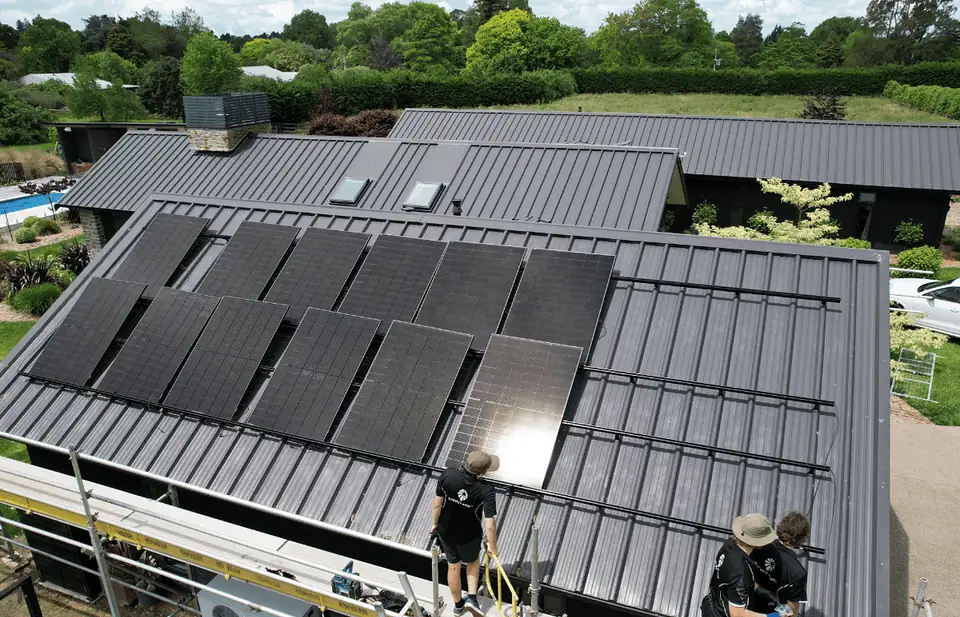
Coordinate approvals, site access and works around live operations.
Commission, monitor and maintain the system for long-term value.
Solar can reduce the electricity you buy from the grid, make energy costs more predictable and prepare your property for batteries or EV charging. The result depends on your roof, daytime use, system size and electricity plan, which is why we start with your real usage data.
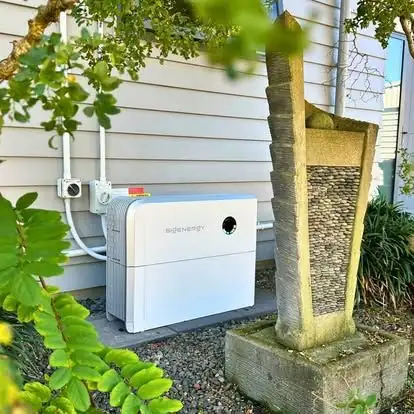
Panels convert sunlight into direct-current electricity. An inverter converts it into the alternating-current electricity your property uses. You use solar energy first; surplus can charge a battery or be exported to the grid, subject to your retailer and network connection.
There is no honest one-size-fits-all number. Savings vary with your daytime demand, electricity tariff, export rate, system design and financing. We model those inputs before recommending a system so you can judge the expected return for your property.
As of August 2026, there is no active nationwide government rebate for residential rooftop solar in New Zealand. Some banks offer discounted green lending and policy settings can change, so we check current options with you rather than promising a rebate that does not exist.
Bring us your operating profile, project questions or early-stage idea. We will help define the right next step.
Start the conversation